
Product Categories
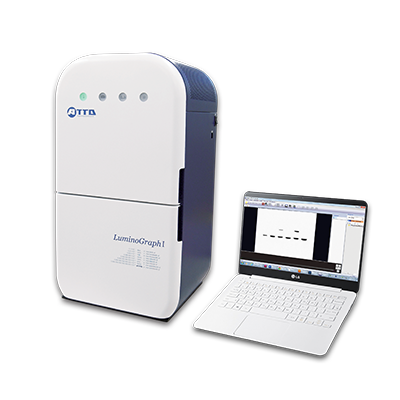
Japanese ATTO electrophoresis, gel imaging and other biochemical instruments
Product Details
1. Protein and DNA Electrophoresis
1.1 Mini Gel Protein Electrophoresis
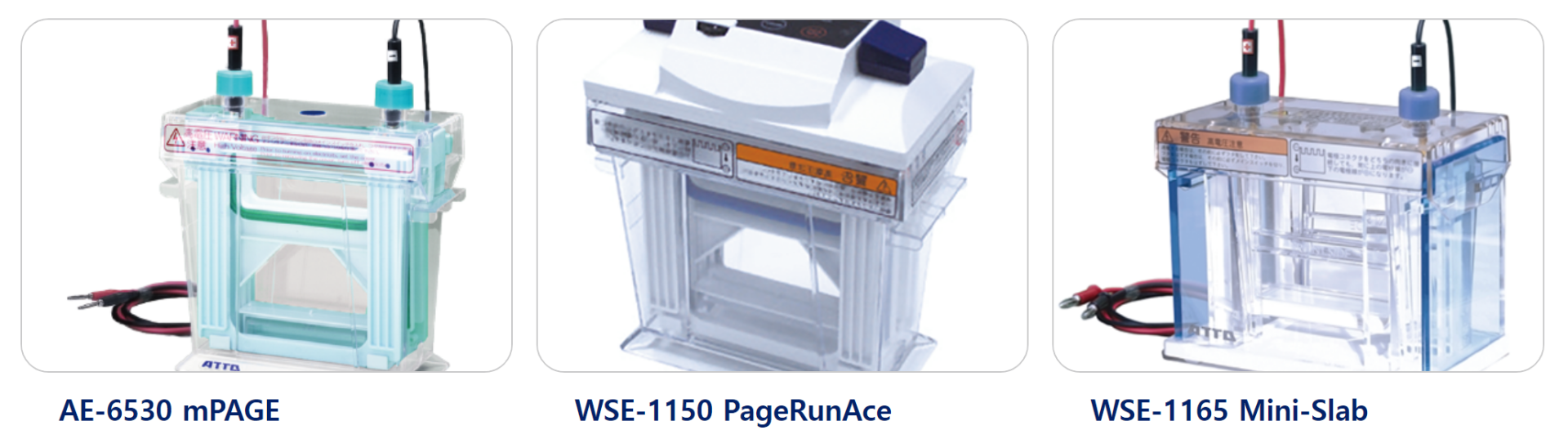
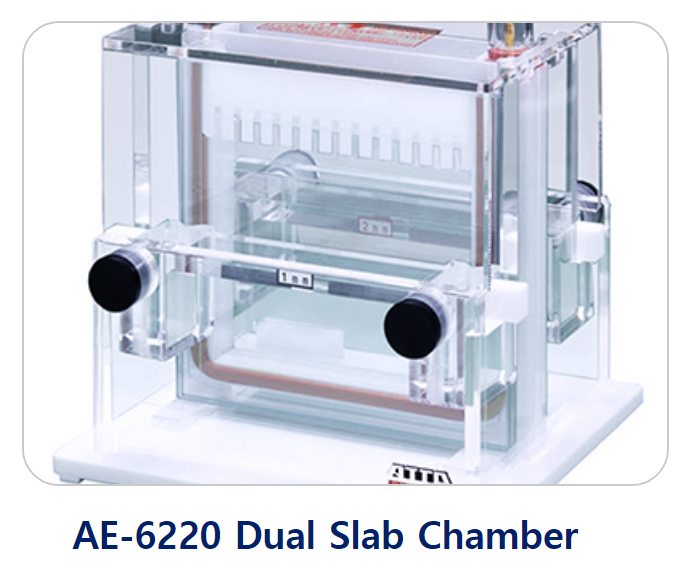
1.2 Wide Gel Protein Electrophoresis
Protein Electrophoresis/Wide Gel 8x14cm
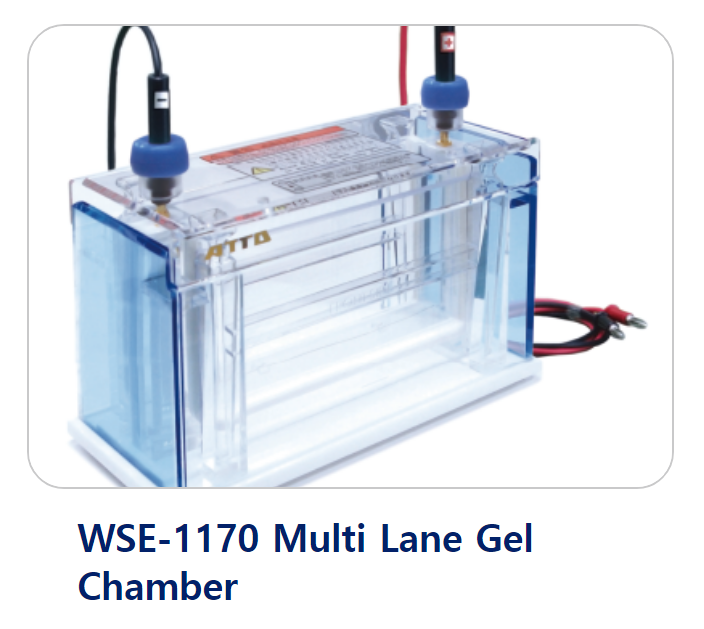
1.2.1 Uses and Applications
1.2.1.1 Up to 30 samples can be analyzed simultaneously in a single electrophoresis run.
1.2.1.2 Uses SDS-PAGE (SDS-Polyacrylamide Gel Electrophoresis) gel electrophoresis technology.
1.2.1.3 Uses non-denaturing polyacrylamide gel electrophoresis technology.
1.2.1.4 Main uses include protein separation, identification, purity confirmation, and molecular weight estimation.
1.2.1.5 Used to confirm protein purity and expression levels.
1.2.1.6 Can also be used for DNA electrophoresis analysis and PCR product confirmation.
1.2.2 Features
1.2.2.1 Allows for electrophoresis of multiple samples (60 samples/two gels) for high-throughput screening, enabling comparison of multiple samples (under the same experimental conditions) simultaneously within one gel.
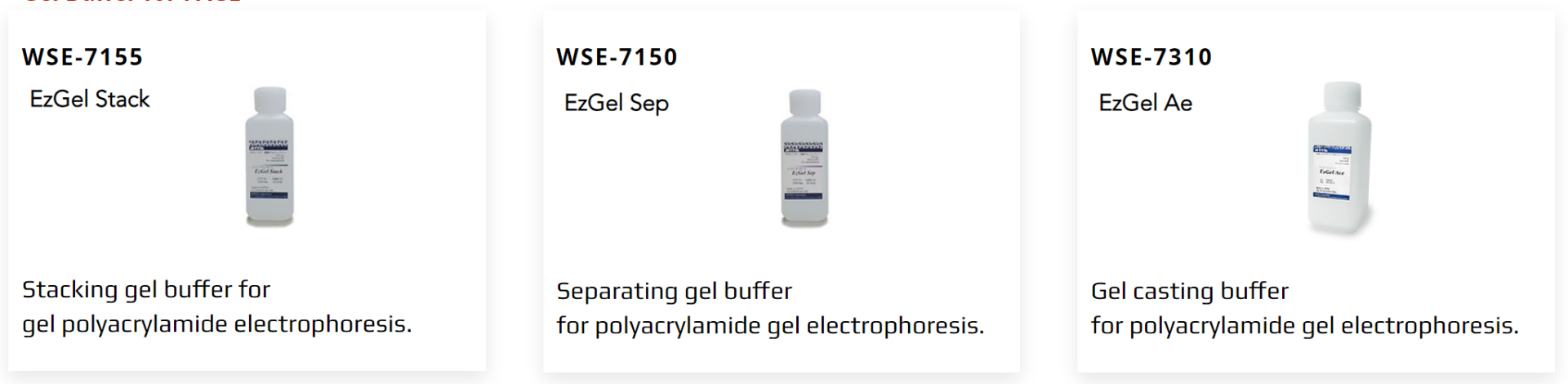
1.2.2.2 Fast electrophoresis speed and high resolution → "High-speed electrophoresis mode" allows completion within 30 minutes (300V voltage, AC) (※It is recommended to use e-PAGEL HR or prepare gels using ATTO EzGel Ace buffer, and it is recommended to use ATTO EzRunMOPS buffer).
1.2.2.3 Multi-channel pipettes can be used.
Sample well spacing is 4.5 mm, suitable for multi-channel pipettes.
Gel length is the same as mini-gels (approximately 8 cm).
Electrophoresis patterns comparable to mini-gels, sufficient gel length allows for accurate protein band patterns.
1.2.2.5 Ample upper and lower buffer maintains constant temperature, reducing the "smiling effect" (the effect where bands rise at both ends of the gel).
1.2.2.6 Automatic polarity switching.
(The bottom electrode automatically becomes the anode (+), preventing failure due to incorrect electrode connection).
1.2.2.7 Convenient sample application.
Visible electrophoresis tank (front can be opened).
1.2.2.8 Uses a special gel cassette holder, making gel plate setup easy.
'H' type holder → Easily install glass plates into the instrument
1.2.2.9 Good sealing performance, preventing buffer leakage.
Softness and Density
1.2.2.10 Gel plates use high-quality, durable acrylic material with a refractive index shielding effect.
1.2.2.11 Compatible casting mold: WSE-1195 Multi-purpose micro-plate gel casting mold
1.2.2.12 Compatible precast gels: m-PAGEL
1.3 Gel Size Protein Electrophoresis
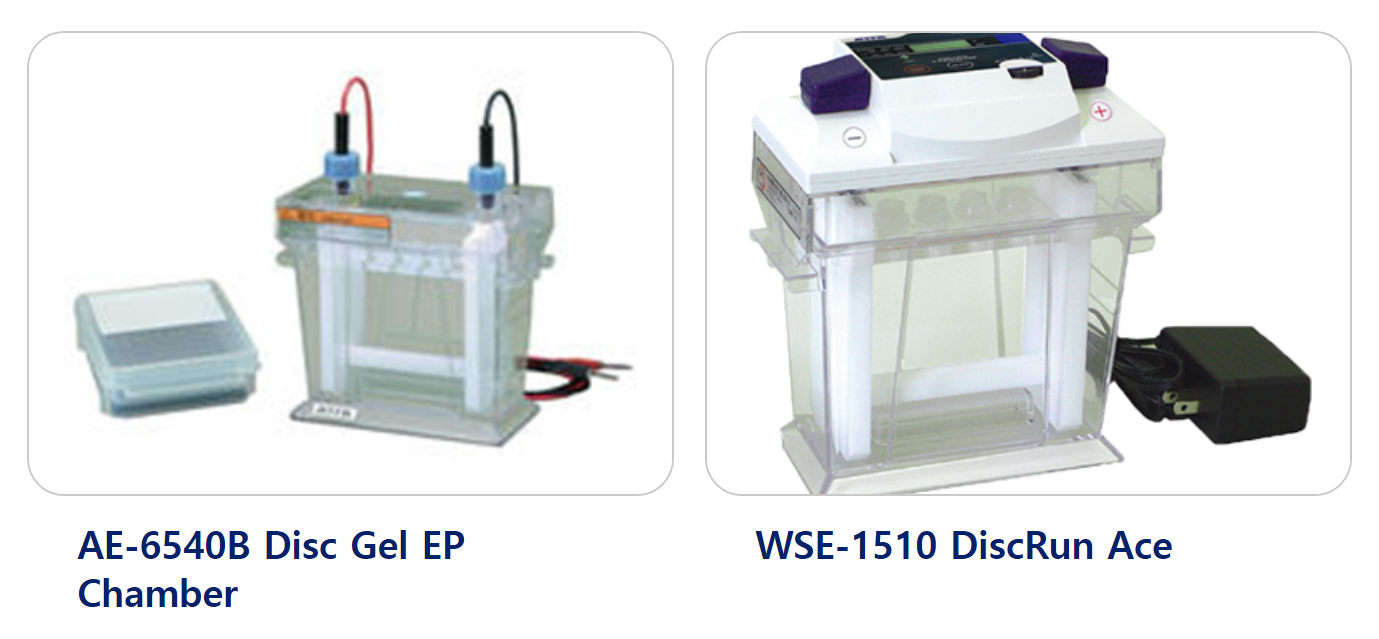
1.4 Two-Dimensional Protein Electrophoresis
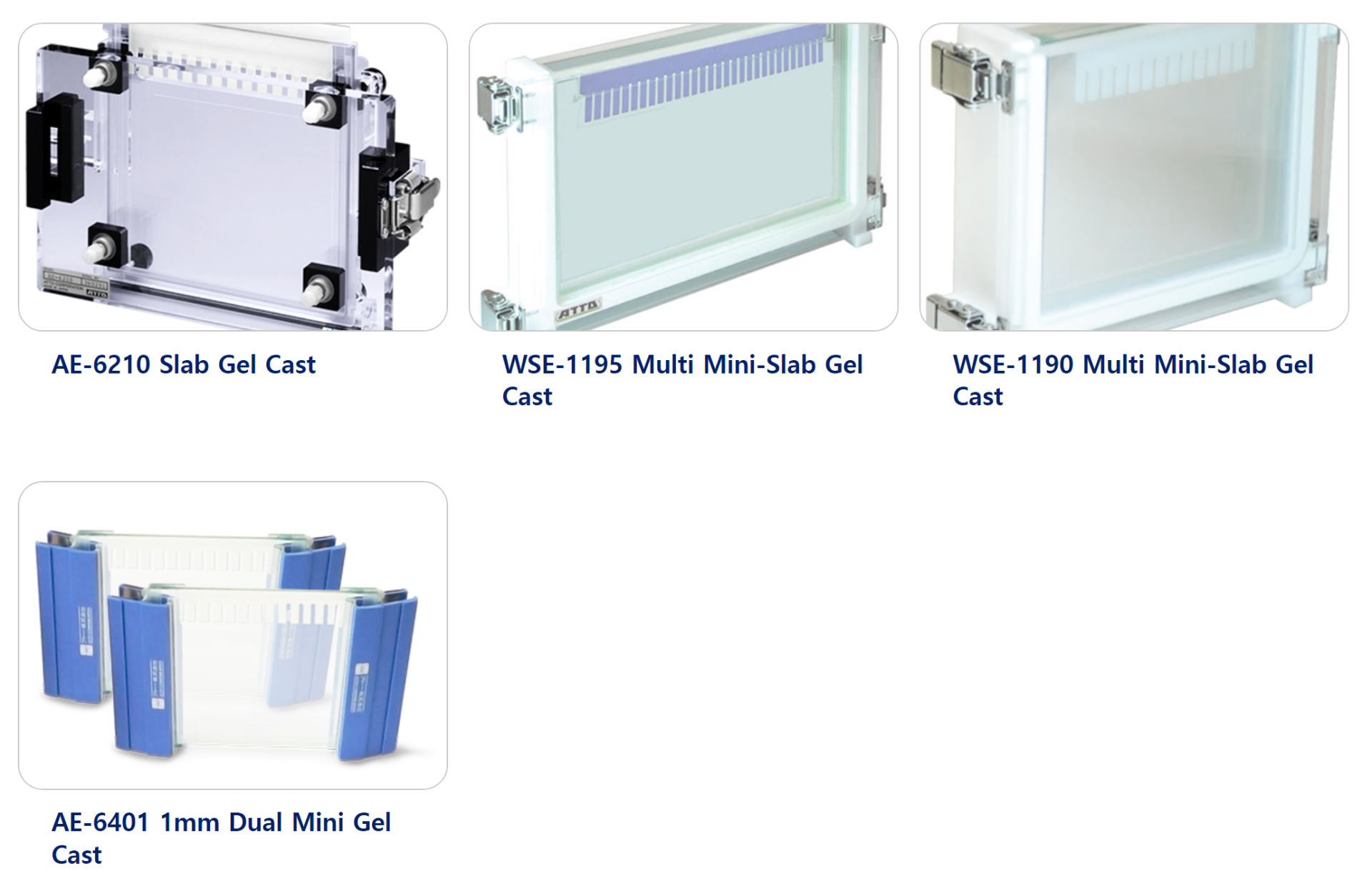
1.5 Slab Gel Caster (Gel Casting)
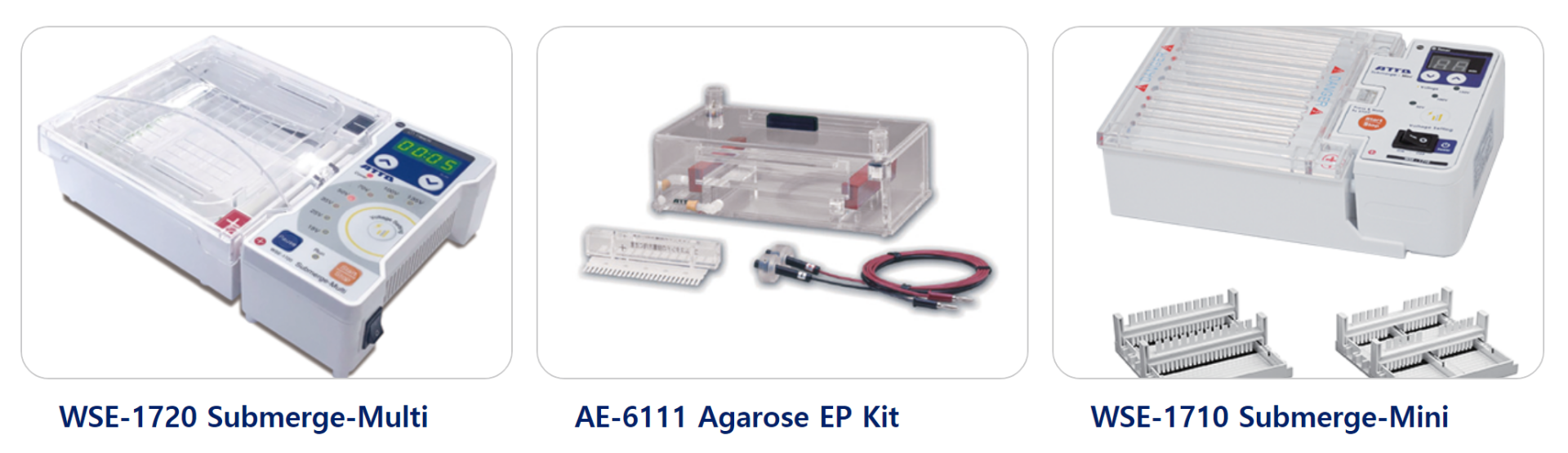
1.6 Nucleic Acid Electrophoresis
2. Precast Gels
2.1 Precast Mini Gel Electrophoresis (Polyacrylamide Gel Electrophoresis of Proteins or Nucleic Acids)
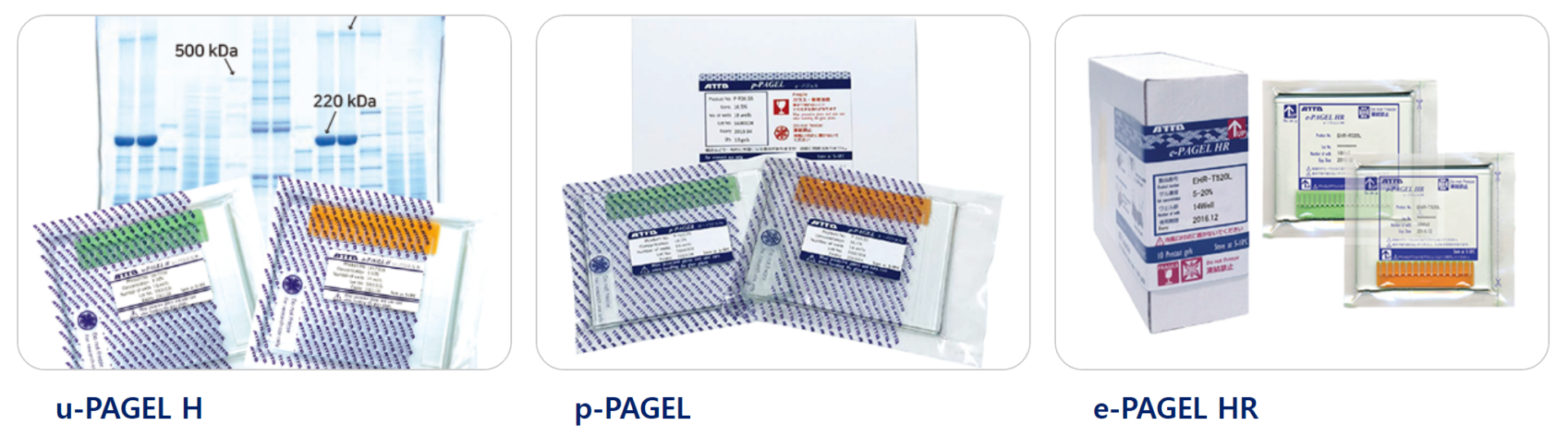
Polyacrylamide gel is a polymer formed by free radical polymerization of acrylamide and N,N'-methylenebisacrylamide (Bis), a cross-linker. Acrylamide forms a linear structure, while the cross-linker acts as a bridge, forming a polymer (gel) with a network structure. The lower the gel concentration, the larger the pore size, thus enabling the separation of high molecular weight proteins. However, Bis has low solubility, and therefore, due to the presence of clumps, it forms a non-uniform gel. Non-uniform gels have lower strength and are easily torn. Therefore, the difficulty lies in handling this issue. ATTO has successfully developed a uniform gel prepared using a new cross-linker at low concentrations, which has higher solubility and a longer binding arm than Bis. It has excellent strength, with a tensile fracture stress approximately 1.7 times that of Bis. In addition, due to the larger pore size, samples can smoothly enter the gel network structure without clogging, exhibiting higher separability.
2.2 Precast Wide Gel Electrophoresis (Polyacrylamide Gel Electrophoresis of Proteins or Nucleic Acids)

3. Blotting System
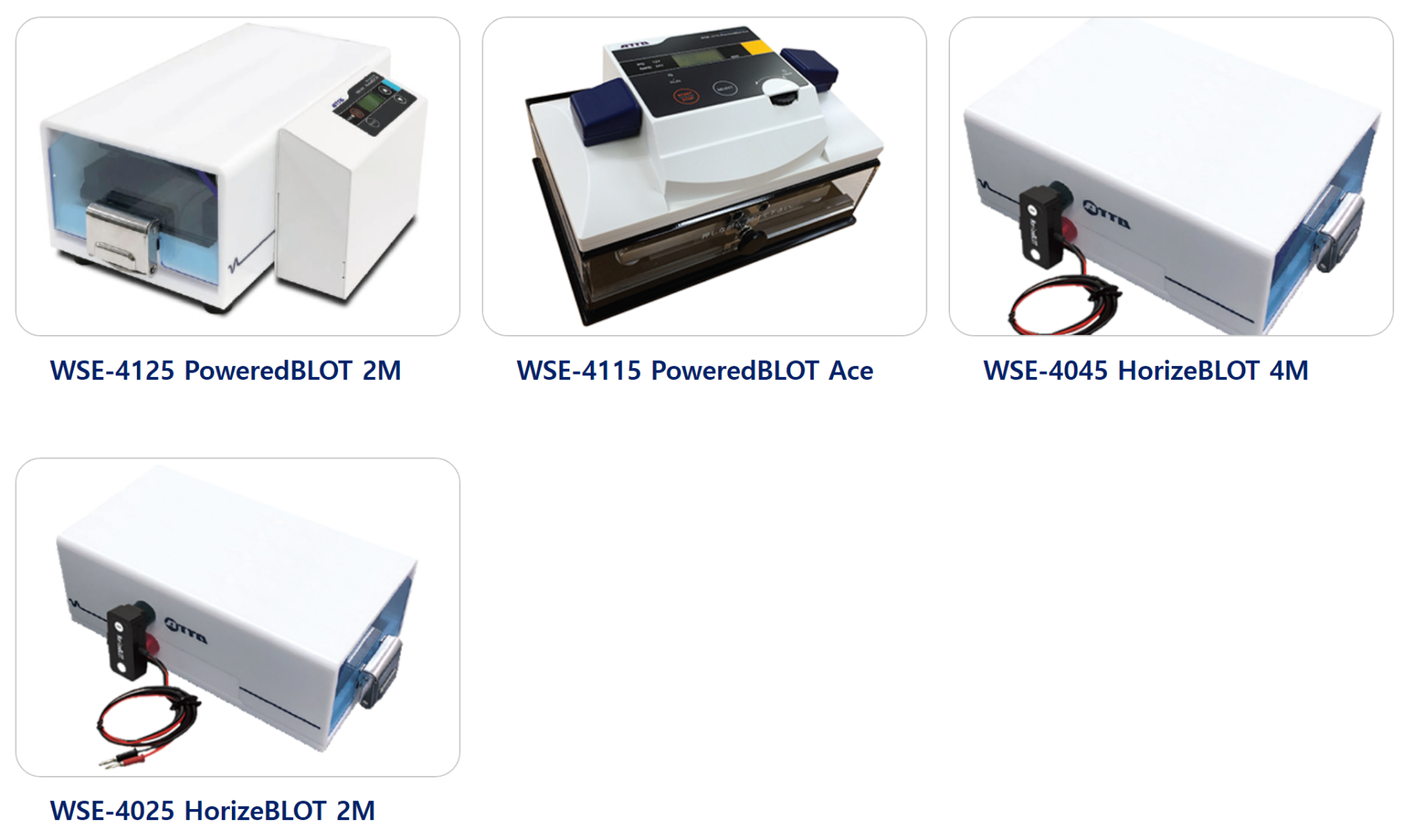
4. Power Supply
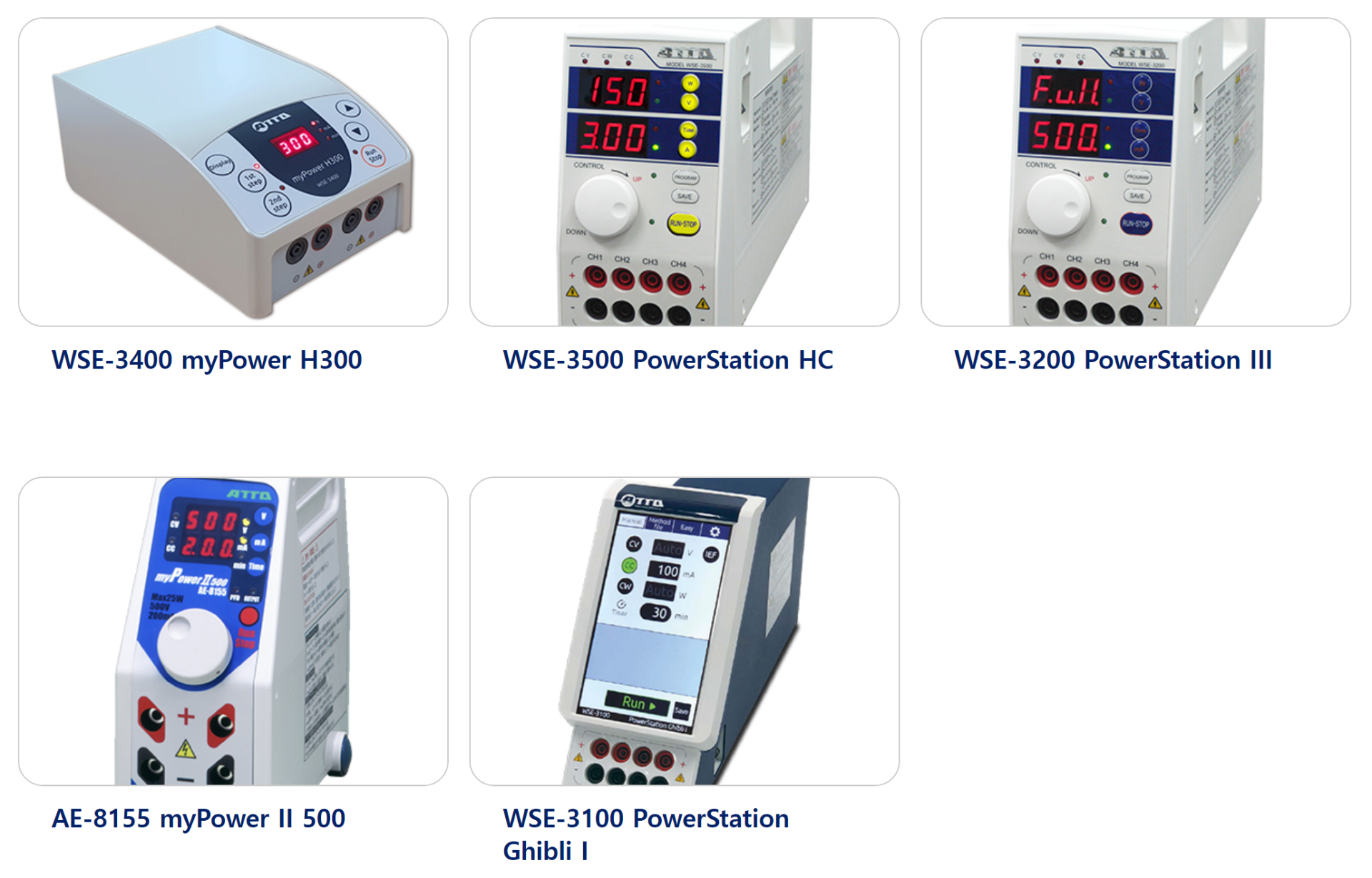
5. Imaging System
5.1 Gel Imaging System
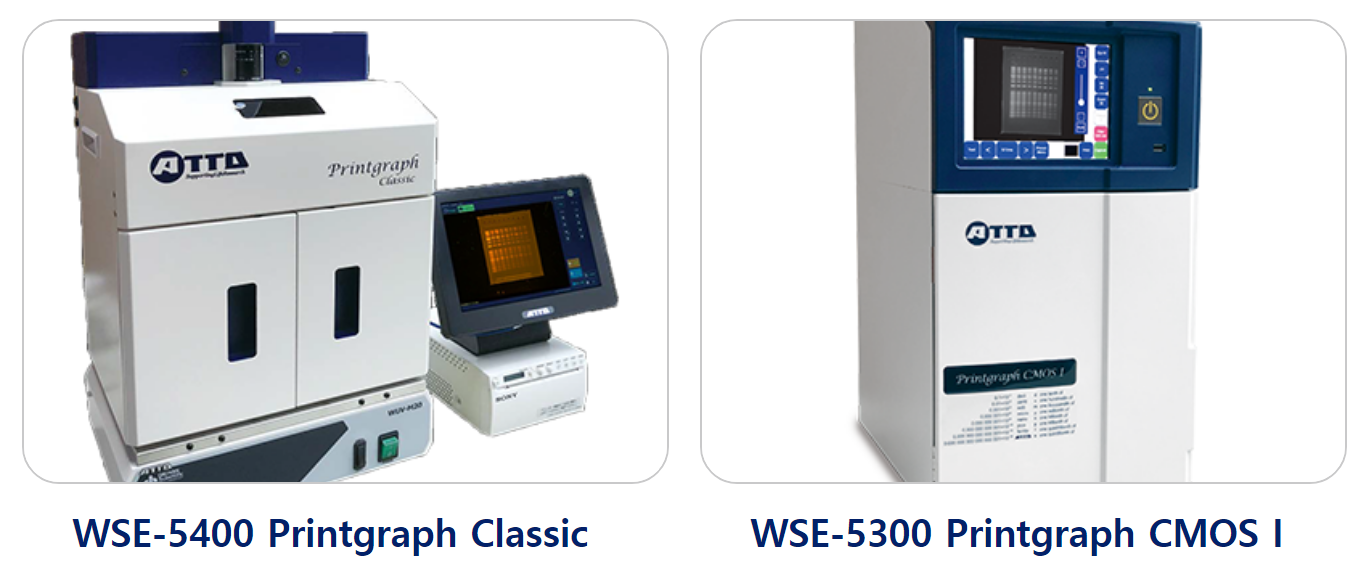
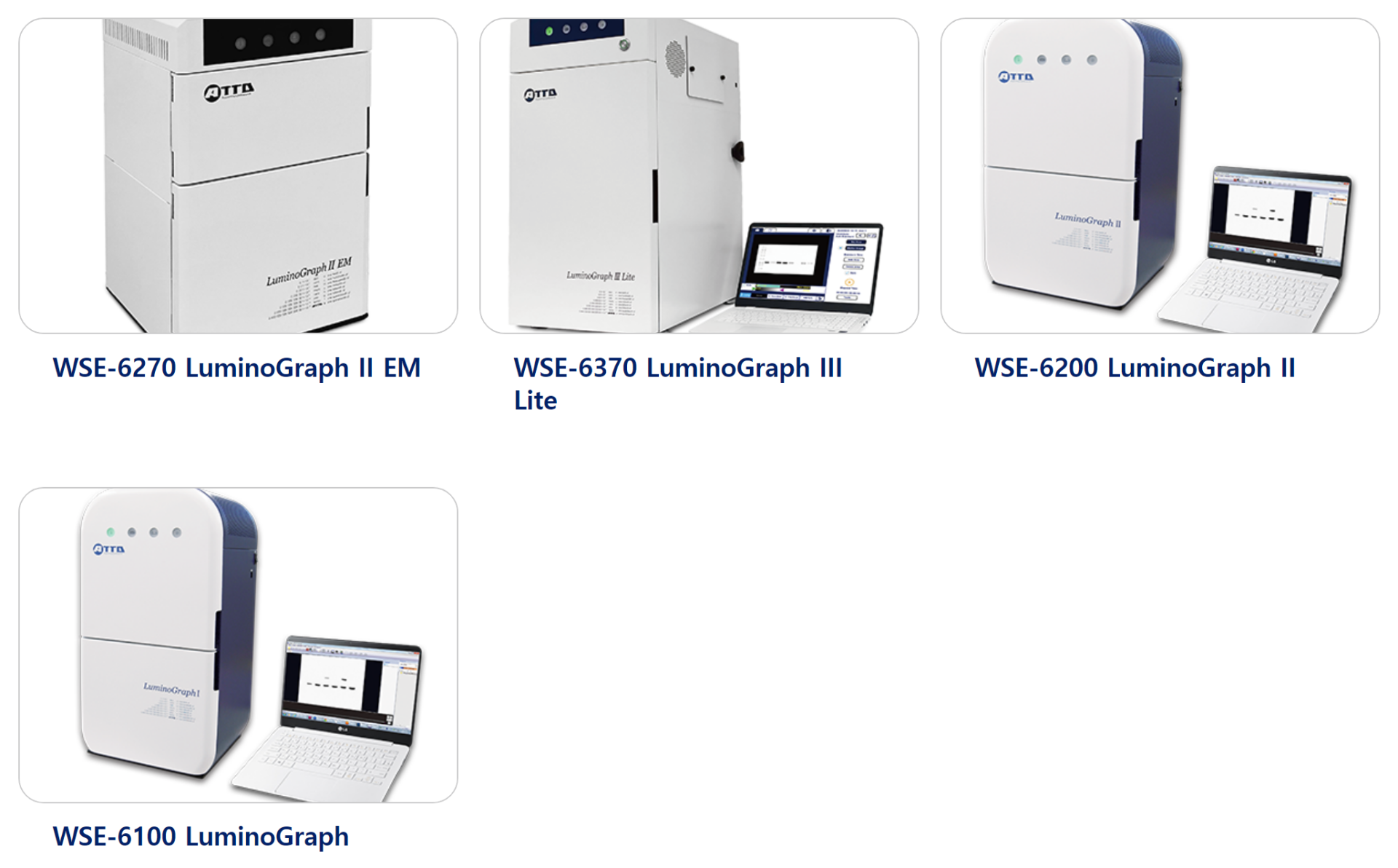
5.2 Chemiluminescence Gel Imaging System
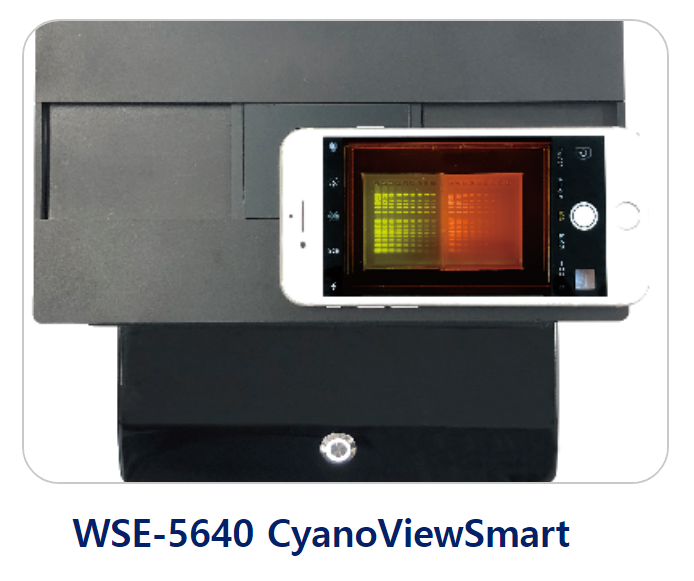
5.3 Light Source
5.4 Gel Imaging Analysis Software
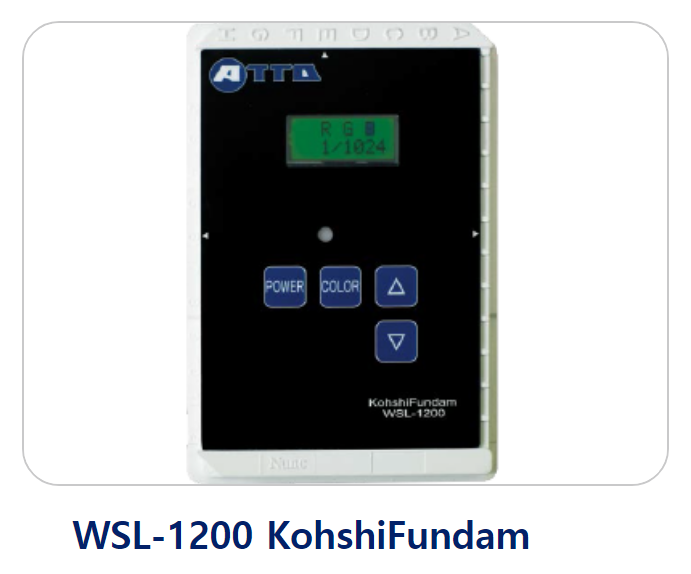
5.5 Calibration Reference LED Light Source
5.5.1 Uses and Applications
Gel imaging system operational qualification (OQ) verification, etc.
Gel imaging system performance qualification (PQ) verification, etc.
Regular inspection of gel imaging systems and other photometric equipment.
5.5.2 Features:
5.5.2.1 Calibration is performed using a reference light source; the light quantity value is determined by comparing it with a reference light source with actual luminous flux measurement.
5.5.2.2 Stable light source, using RGB LED adjusted to a total light amount ranging from 10 nanowatts to 10 femtowatts.
5.5.2.3 Suitable for routine inspection of imaging systems and sensitive photometric devices.
5.5.2.4 11 levels controlled using Pulse Width Modulation (PWM).
5.5.2.5 Supports linearity testing of optical measurement devices.
5.5.2.6 Freely settable switch and light intensity for RGB colors.
5.5.2.7 Temperature compensation function ensures light intensity stability despite thermal changes.
5.5.2.8 Ideal for repeatability tests as light intensity remains constant during changes in ambient temperature.
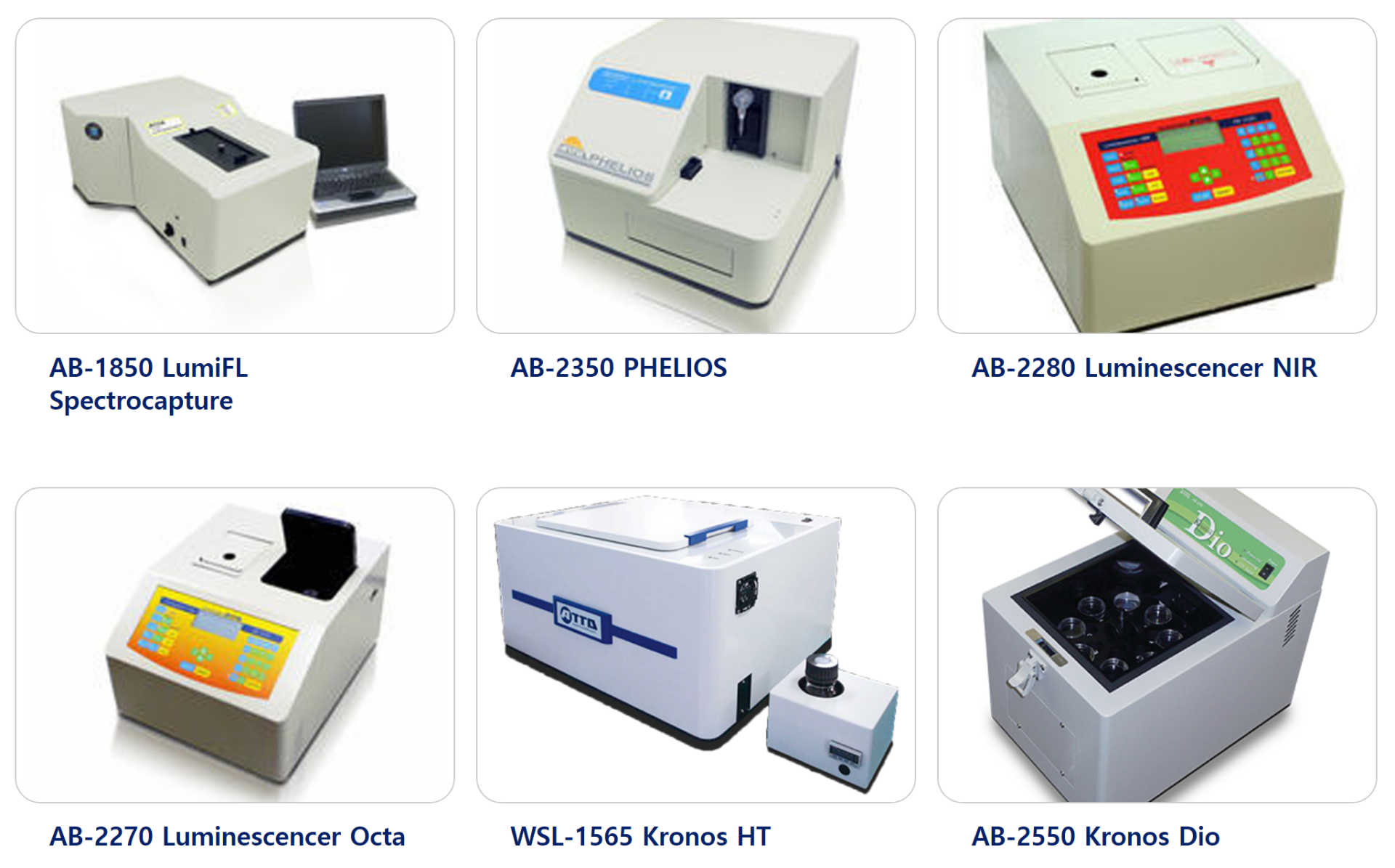
6. Biochemical Luminescence Photometer
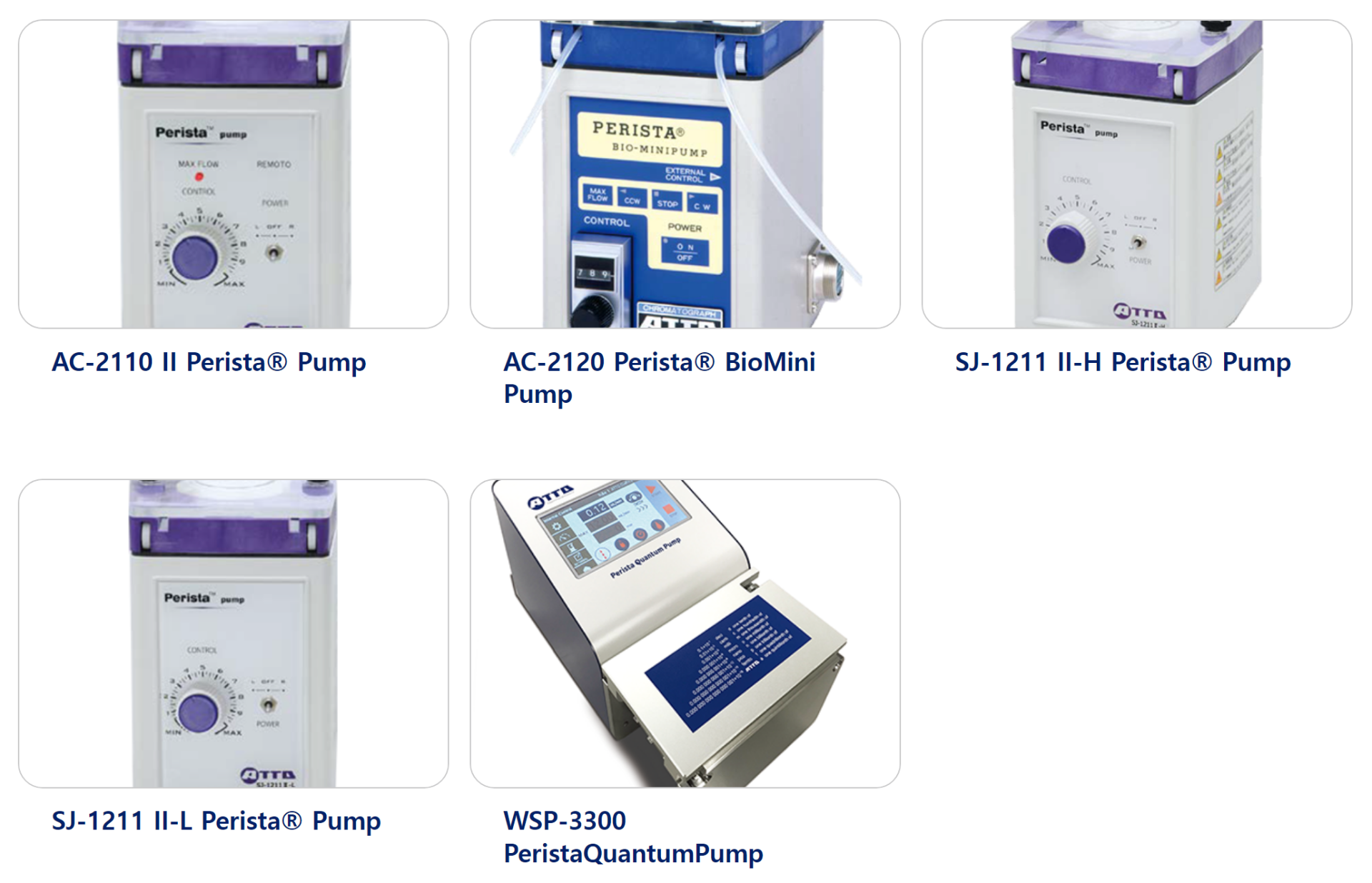
7. Liquid Pump
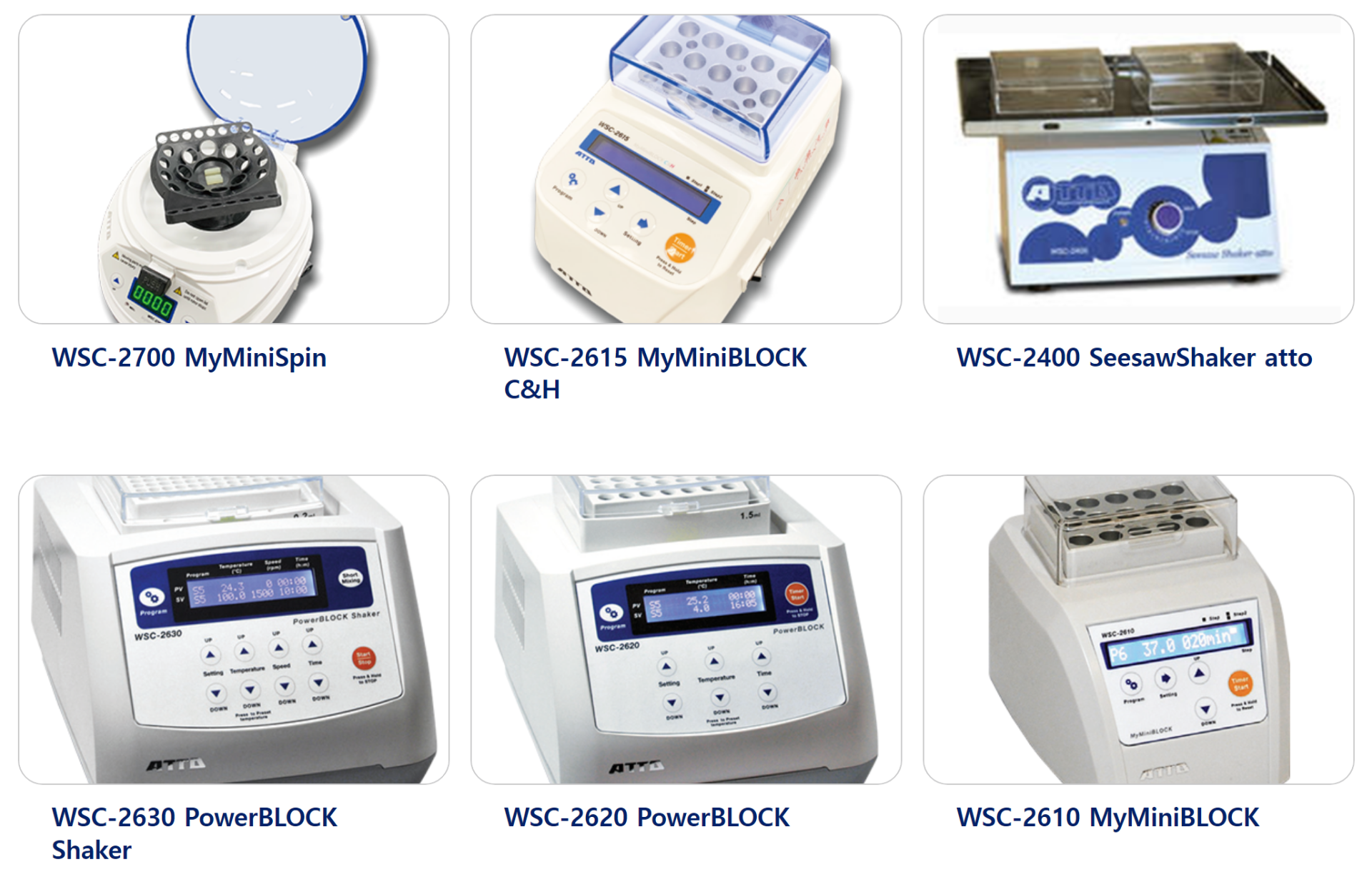
8. Centrifuge / Dry Incubator (Incubator)
9. Physical Monitoring Instruments
9.1 Mixing Monitoring System
By detecting changes in mixer power consumption during mixing/whipping, rheological changes in various foods such as bread dough, whipped cream, cake batter, or chemical products can be visualized.
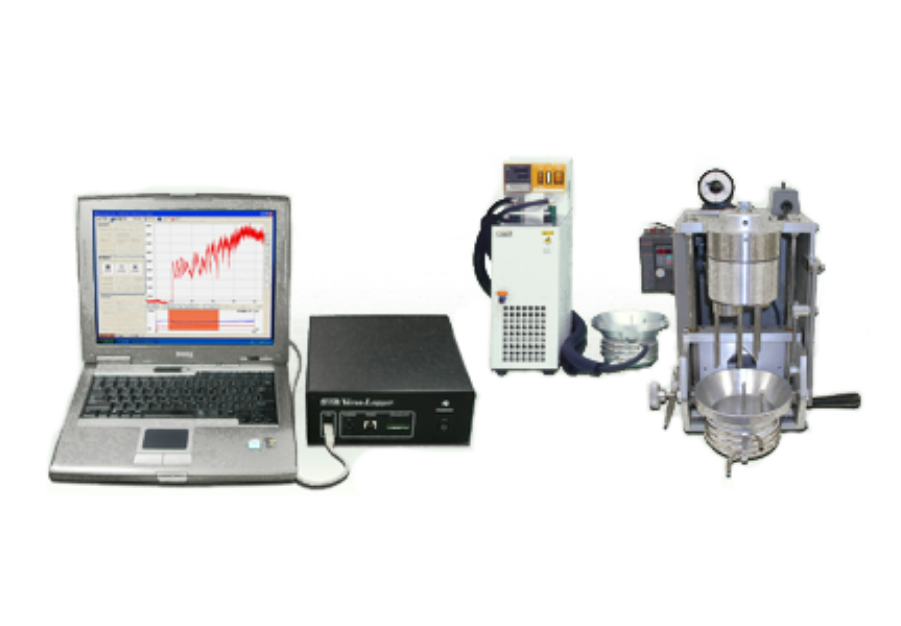
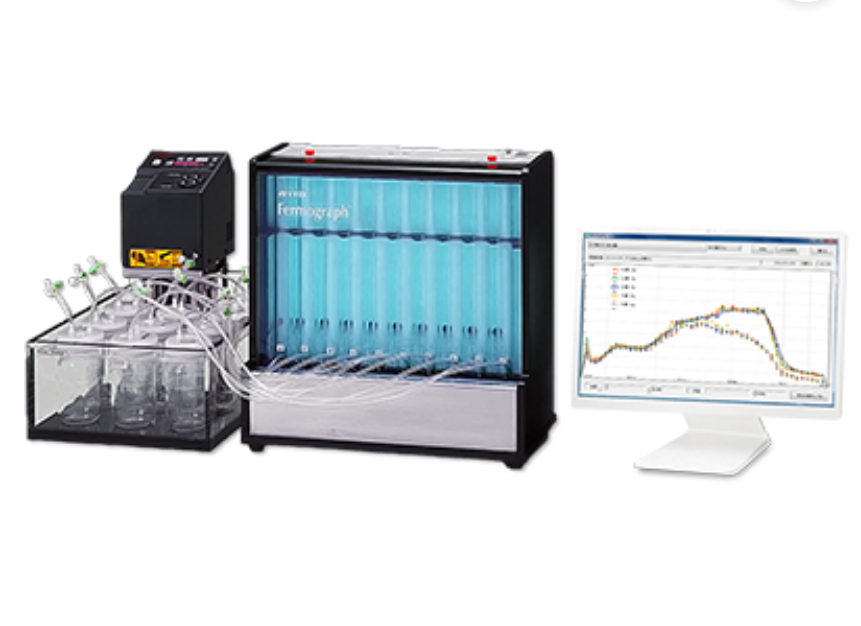
9.2 Fermentation System Monitoring
10. Live Cell Time-Lapse Imaging System
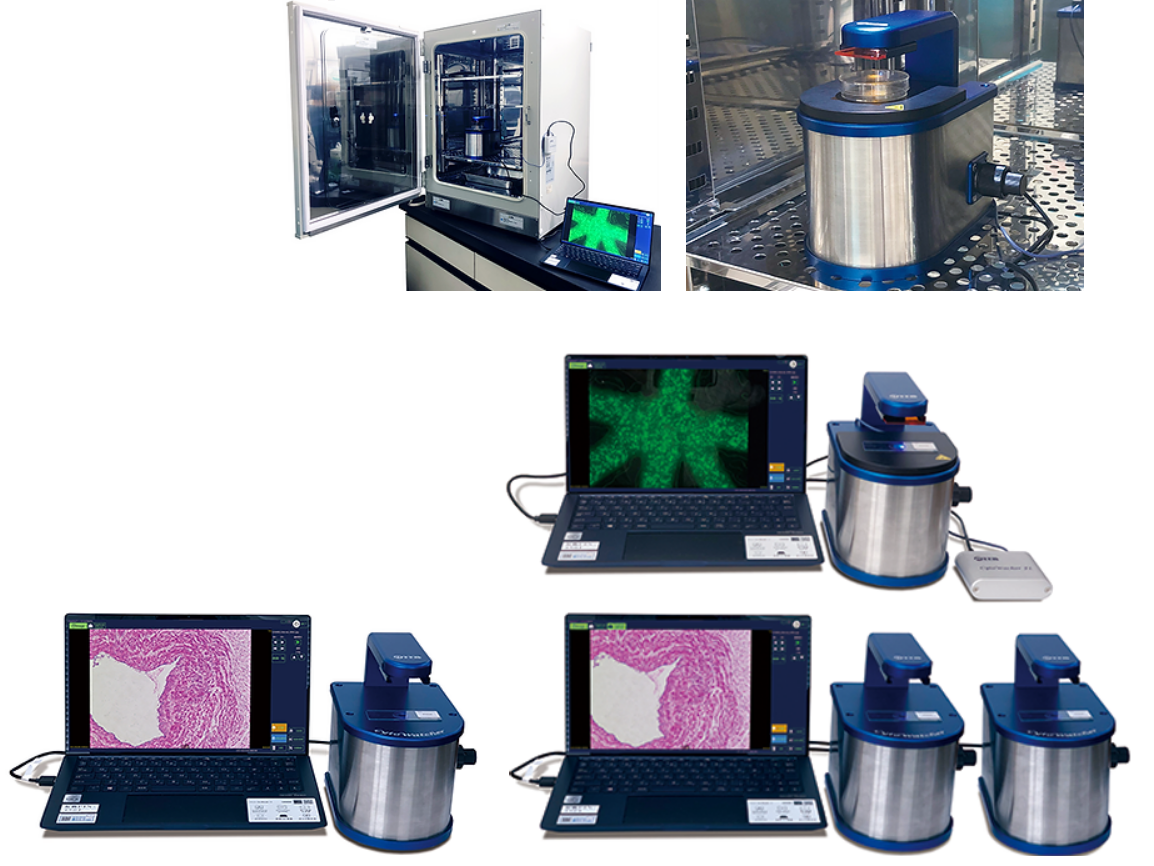
Brightfield Live Cell Time-Lapse Imaging System
Fluorescence/Brightfield Live Cell Time-Lapse Imaging System
11. Reagents
11.1 Western Blotting Reagents

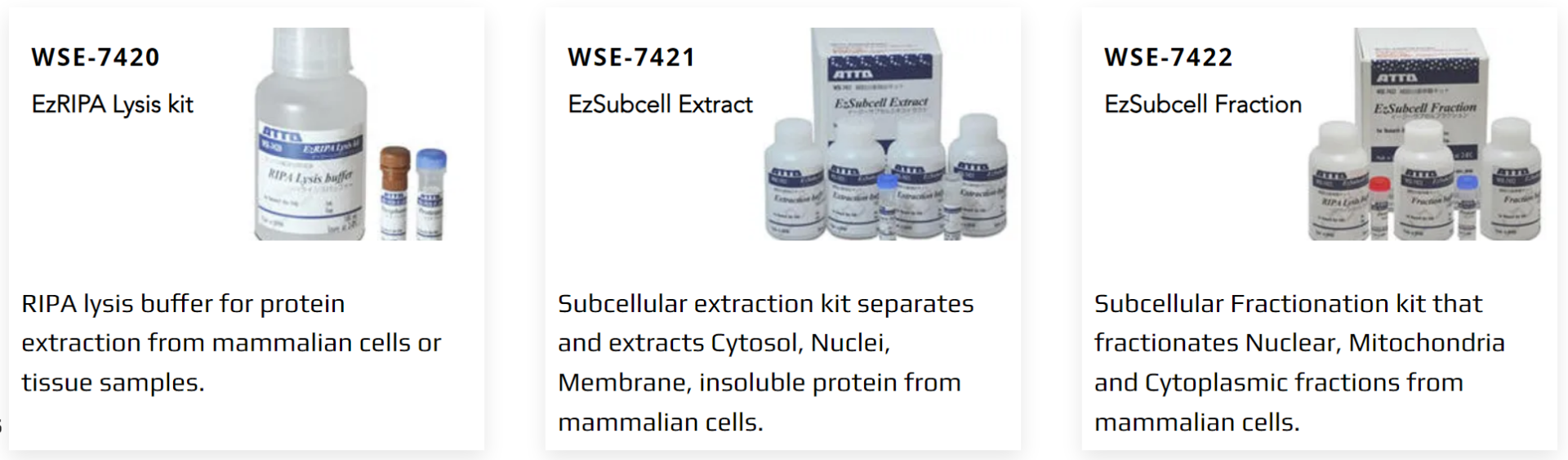
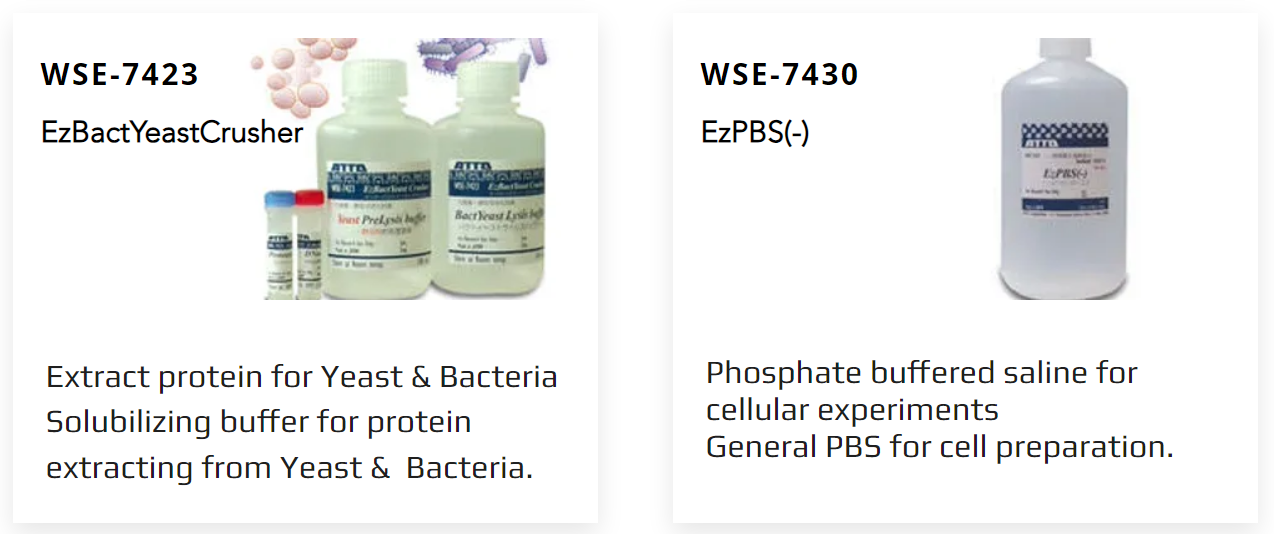
11.2 Extraction Kits
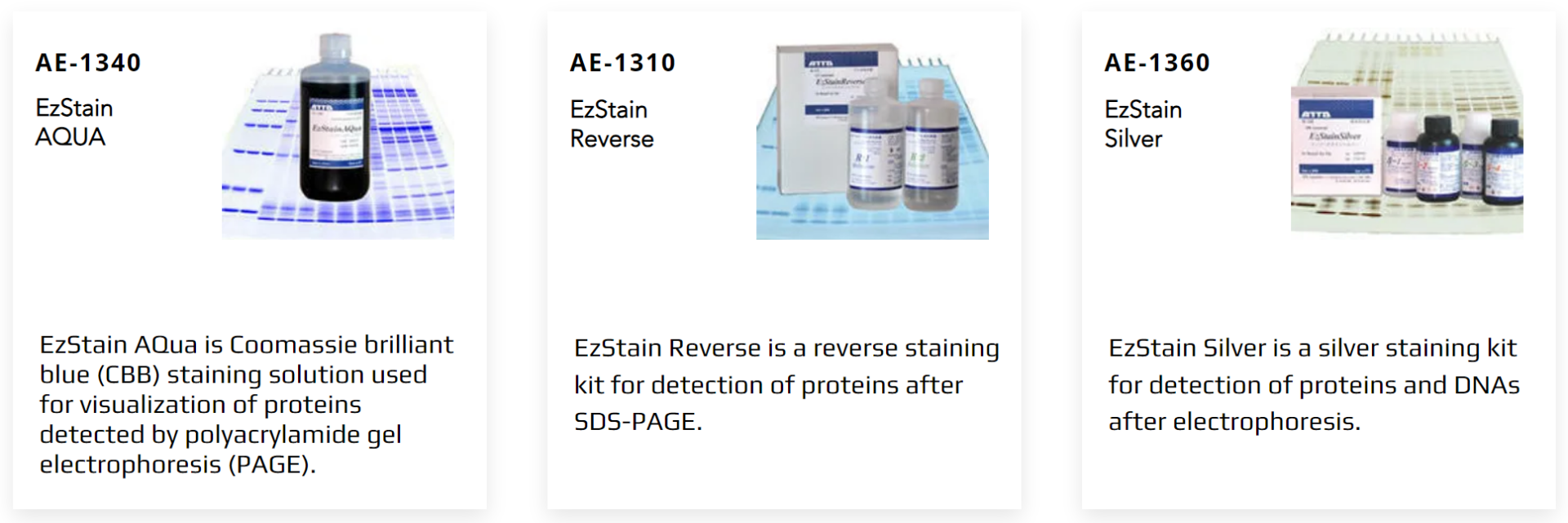
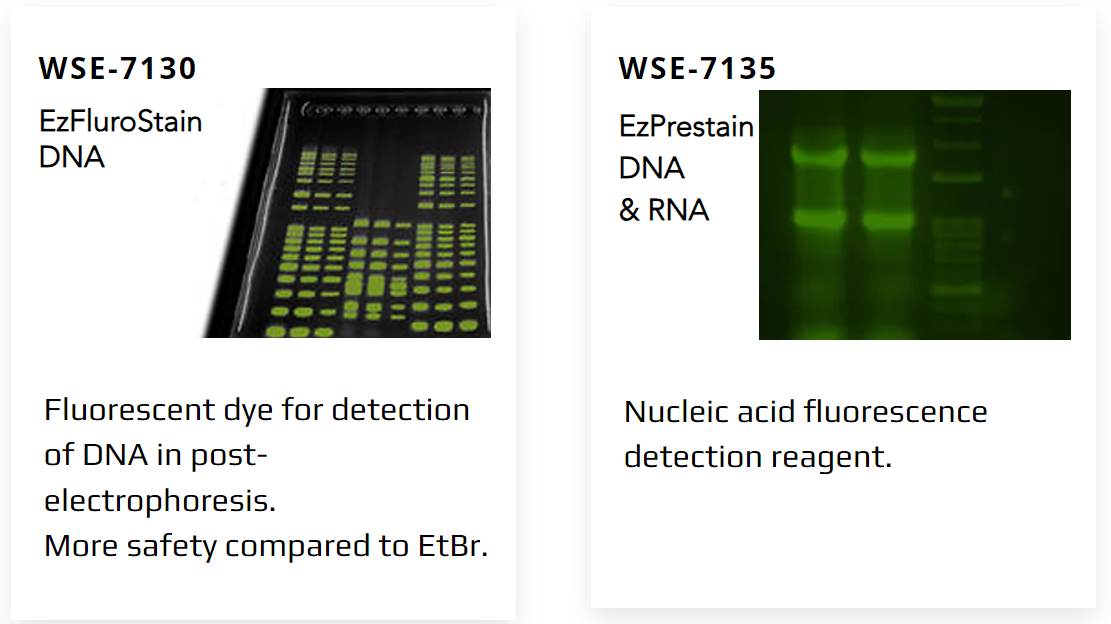
11.3 Stains
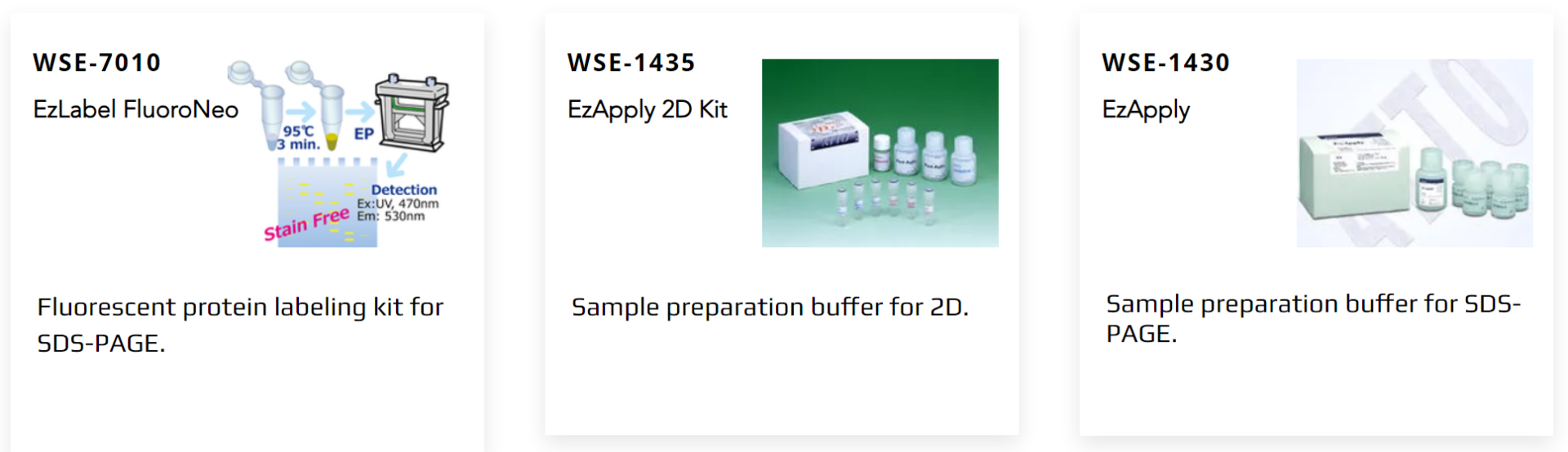
11.4 Sample Preparation Reagents
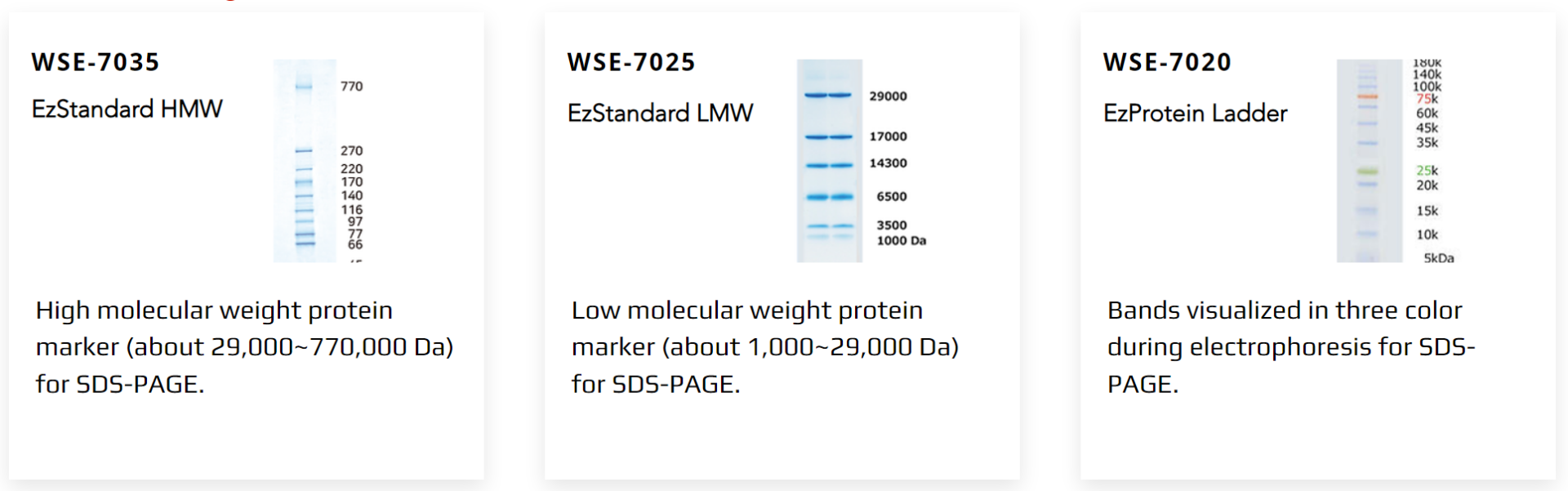
11.5 Molecular Weight Markers (Protein Standards)
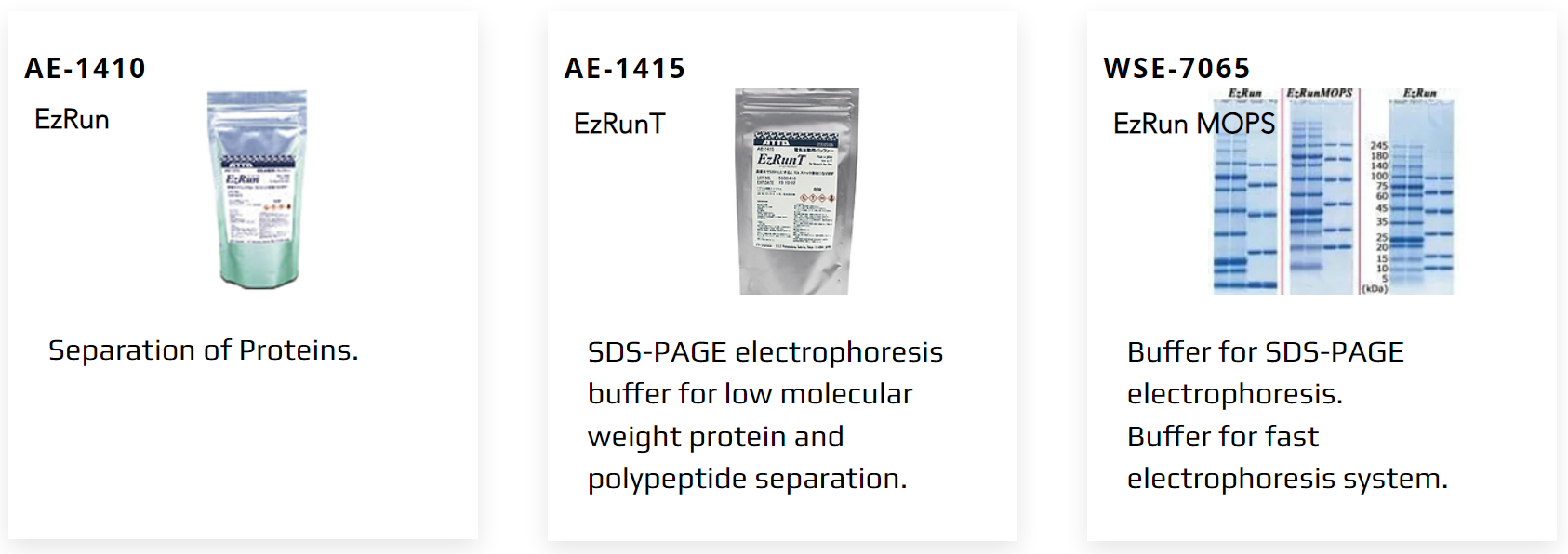
11.6 Electrode Buffer
11.7 Gel Buffer
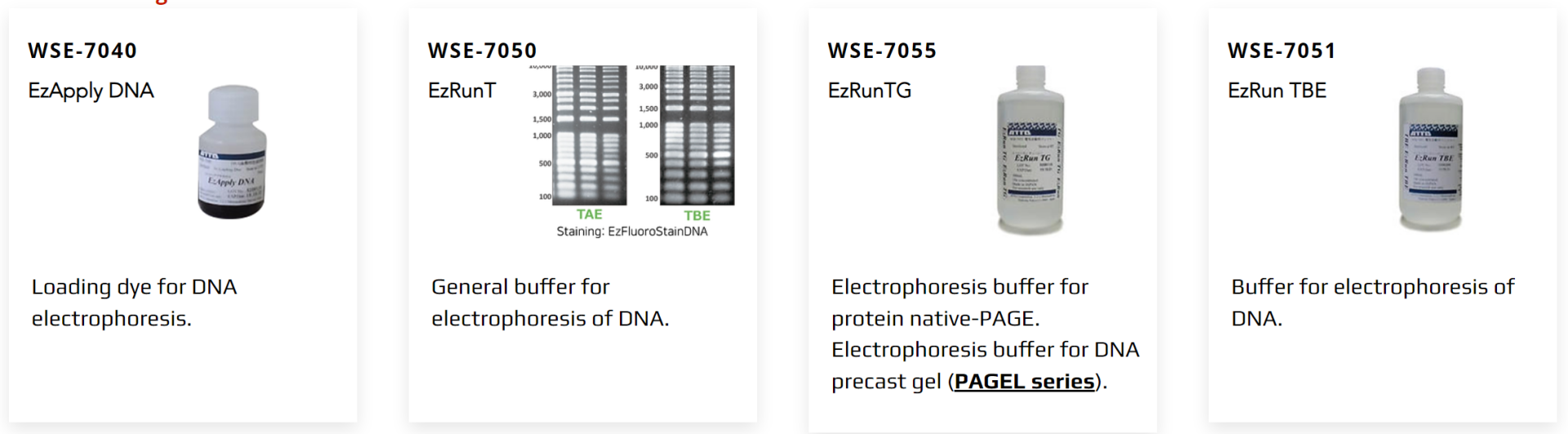
11.8 Nucleic Acid Reagents
It has a Class II qualification for steel structure engineering professional contracting and a Class II qualification for general contracting of building engineering construction; the company's main products include heavy steel, light steel, trusses and purlins, color steel plates and other steel structure products; in recent years, the company has undertaken a series of projects with significant influence, including large-scale structural components, bridges, garages, and standardized factories at home and abroad; products are exported to Belarus, Zambia, Indonesia and other countries, and have been well received.
Keywords: Japanese ATTO electrophoresis, gel imaging and other biochemical instruments
Related Products
Product Consultation
We will contact you within one working day. Please pay attention to your email.
Nanjing Tansi Technology Co.,Ltd.
ADD:2-728b, Hongqiao center, new City Plaza, 281 Zhongshan North Road, Nanjing.
Tansi Beijing Branch
Tel:010-62908712
ADD:Rm 719, Jinrongkemao Building, Shangdi 3rd Street, Haidian District, Beijing.
